Chip Control in Machining:
How to Read Chips and
Improve Cutting Performance
Index[非表示]
- 1.Chip Control in Machining: How to Read Chips and Improve Cutting Performance
- 2.Introduction
- 3.Why Chip Control Matters in Machining
- 3.1.Safety and Reliability
- 3.2.Productivity
- 3.3.Tool Life
- 4.How to Read Chips in Machining
- 4.1.Chip Shape
- 4.2.Chip Color
- 4.3.Chip Thickness
- 5.Common Chip Problems and Causes
- 6.Methods to Improve Chip Control
- 6.1.Optimize Cutting Parameters
- 6.2.Use Proper Tool Geometry
- 6.3.Apply Coolant Effectively
- 6.4.Use Advanced Techniques
- 7.Chip Control in CNC Turning
- 8.Practical Tips for Better Chip Control
- 9.Summary
Introduction
Chip control is one of the most important aspects of machining, directly affecting cutting performance, tool life, and overall productivity.
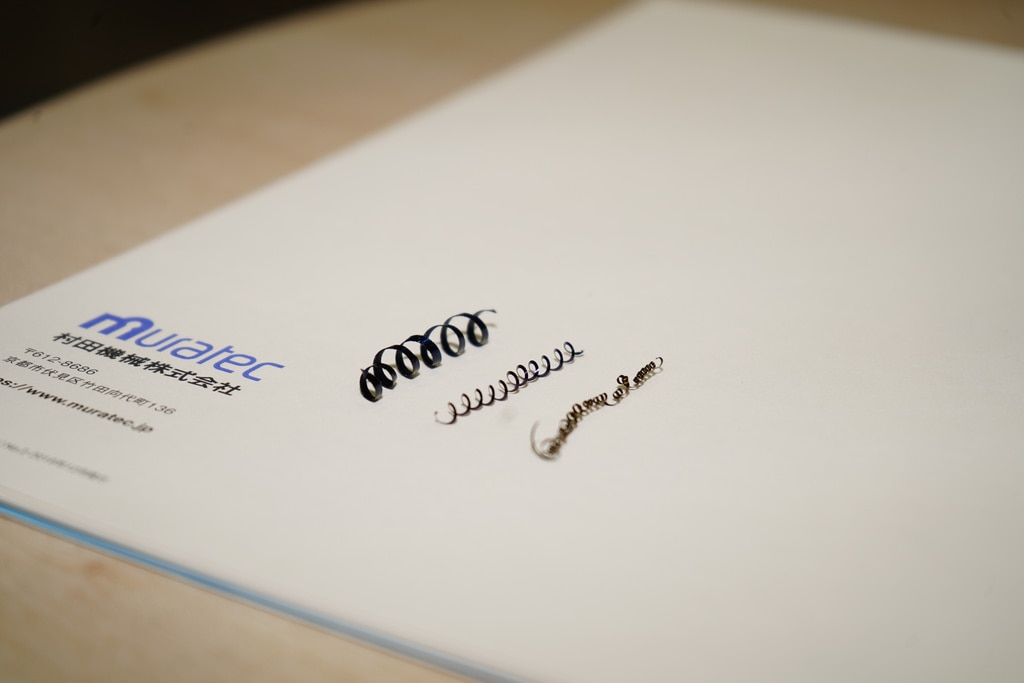
In CNC turning and other machining processes, chips are more than just waste—they provide valuable information about cutting conditions. By observing chip shape, size, and color, operators can understand whether machining parameters are optimized or not.
Poor chip control can lead to:
- Chip entanglement
- Surface damage
- Tool wear or breakage
- Machine downtime
On the other hand, proper chip control improves:
- Machining stability
- Surface quality
- Productivity
This guide explains how to read chips and optimize machining processes by adjusting cutting conditions, tooling, and coolant strategies.
Why Chip Control Matters in Machining
Chip control is essential for stable machining operations.
Safety and Reliability
Long, continuous chips can:
- Wrap around tools or workpieces
- Damage finished surfaces
- Increase the risk of accidents
Productivity
Poor chip evacuation leads to:
- Frequent machine stops
- Manual chip removal
- Reduced efficiency
Tool Life
Improper chip formation increases:
- Cutting resistance
- Tool temperature
- Wear rate
Related: What Is Coolant in Machining?
How to Read Chips in Machining
Chips provide immediate feedback about cutting conditions.
Chip Shape
- Short, broken chips → Ideal condition
- Long, continuous chips → Poor chip control
- Tangled chips → High risk of trouble
Chip Color
- Silver / metallic → Normal cutting
- Blue or purple → High temperature
- Dark or burnt → Excessive heat
Chip Thickness
- Too thick → Feed rate too high
- Too thin → Inefficient cutting
Related: What Is Feed Rate in Turning?
Common Chip Problems and Causes
Long Continuous Chips
Causes:
- Low feed rate
- Improper chip breaker
- Ductile material
Chip Entanglement
Causes:
- Poor chip evacuation
- No chip breaking mechanism
- Inadequate coolant flow
Excessive Heat Chips (Blue Chips)
Causes:
- High cutting speed
- Insufficient coolant
- Heavy cutting load
Related: Cutting Speed in Machining?
Methods to Improve Chip Control
Optimize Cutting Parameters
Adjust:
- Cutting speed
- Feed rate
- Depth of cut
💡 Small adjustments can significantly improve chip formation
Use Proper Tool Geometry
- Chip breakers help break chips into shorter pieces
- Correct insert shape improves chip flow
Apply Coolant Effectively
- Helps cool the cutting zone
- Flushes chips away
- Reduces chip adhesion
Related: What Is Coolant in Machining?
Use Advanced Techniques
- Vibration cutting for chip segmentation
- Interrupted cutting methods
Related: What Is Vibration Cutting?
Chip Control in CNC Turning
Chip control is especially critical in CNC turning due to continuous cutting operations.
Challenges include:
- Long chips from continuous cuts
- Limited space for chip evacuation
- Deep internal cutting areas
Solutions:
- Use chip breaker inserts
- Apply high-pressure coolant
- Optimize feed rate
Related: Internal Turning (Boring)
Practical Tips for Better Chip Control
- Observe chips during machining
- Adjust parameters gradually
- Monitor cutting sound and vibration
- Test different insert geometries
💡 Real-time observation is key to optimization
Summary
Chip control is a fundamental aspect of machining that directly affects safety, quality, and productivity.
By understanding chip behavior and optimizing:
- Cutting parameters
- Tool geometry
- Coolant usage
manufacturers can achieve:
- Stable machining
- Improved surface finish
- Longer tool life
Featured Articles
CONTACT
If you are considering automated production,
please contact Muratec.
If you have any questions, please contact us here