What Is Coolant in Machining?
A Complete Guide to Functions,
Types, and Management
in CNC Turning
Index[非表示]
- 1.What Is Coolant in Machining?
- 2.Functions of Coolant
- 2.1.Cooling
- 2.2.Lubrication
- 2.3.Chip Removal
- 2.4.Surface Finish Improvement
- 3.Types of Coolant
- 4.Coolant in CNC Turning
- 5.Relationship with Cutting Parameters
- 5.1.Cutting Speed
- 5.2.Feed Rate
- 5.3.Depth of Cut
- 6.Coolant and Tool Life
- 7.Coolant and Chip Control
- 8.Coolant Delivery Methods
- 9.Common Problems Related to Coolant
- 10.Coolant Management
- 11.Environmental and Safety Considerations
- 12.Practical Tips
- 13.Summary
- 13.1.Featured Articles
Introduction
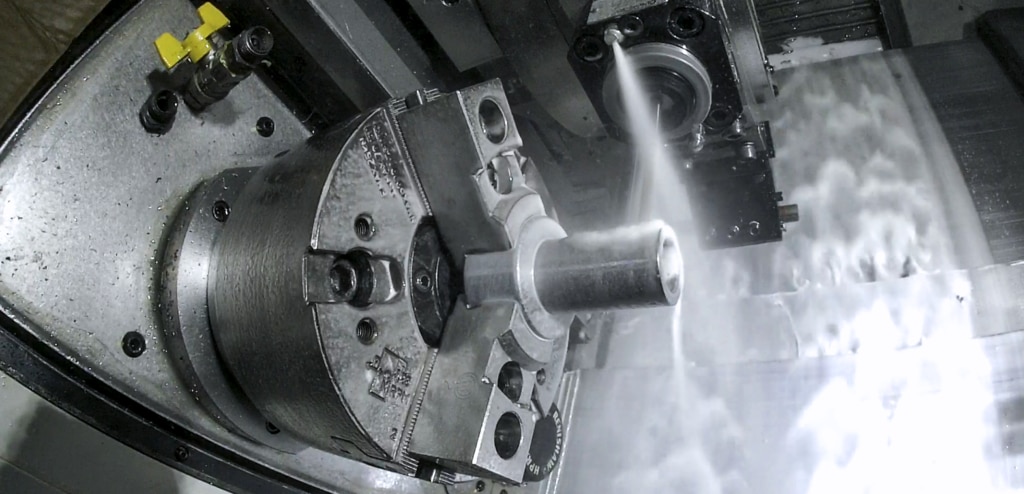
Coolant in machining is a fluid used to reduce heat, improve lubrication, and enhance cutting performance during machining processes.
In CNC turning and other machining operations, coolant plays a critical role in maintaining tool life, improving surface finish, and ensuring stable cutting conditions.
Without proper coolant use, machining can lead to:
- Excessive heat buildup
- Rapid tool wear
- Poor surface quality
Understanding coolant is essential for optimizing machining performance and productivity.
What Is Coolant in Machining?
Coolant is a liquid or fluid applied to the cutting area during machining to control heat, reduce friction, and assist in chip removal.
It is commonly used in:
- CNC turning
- Milling
- Drilling
- Grinding
💡Coolant improves machining efficiency and stability.
Functions of Coolant
Cooling
- Reduces heat generated during cutting
- Prevents thermal damage to tools and workpieces
Lubrication
- Reduces friction between tool and material
- Improves cutting efficiency
Chip Removal
- Flushes chips away from the cutting zone
- Prevents chip accumulation
Surface Finish Improvement
- Reduces cutting resistance
- Helps achieve smoother surfaces
💡 These functions are essential for stable machining.
Related :Machining
Types of Coolant
Water-Based Coolant
- Mixed with water
- Good cooling performance
- Common in general machining
Oil-Based Coolant
- Provides excellent lubrication
- Suitable for heavy cutting
Synthetic Coolant
- Chemical-based fluids
- Good cooling and cleanliness
Semi-Synthetic Coolant
- Combination of oil and synthetic fluid
- Balanced performance
💡 Selection depends on machining conditions and materials.
Coolant in CNC Turning
In CNC turning, coolant is particularly important because:
- Continuous cutting generates heat
- Chips must be removed from the cutting area
- Tool life must be maintained
💡 Proper coolant use ensures stable and efficient machining.
Related :Turning
Relationship with Cutting Parameters
Coolant works closely with machining conditions.
Cutting Speed
- Higher speeds generate more heat
- Require effective cooling
Feed Rate
- Affects friction and heat generation
Depth of Cut
- Larger cuts produce more heat
💡 Proper coolant helps maintain optimal conditions.
Related :Cutting Speed / Feed Rate in Turning
Coolant and Tool Life
Coolant significantly impacts tool life:
- Reduces temperature at the cutting edge
- Prevents tool wear
- Extends tool lifespan
💡 Proper coolant application reduces cost and downtime.
Coolant and Chip Control
Coolant helps:
- Break chips
- Prevent chip entanglement
- Improve chip evacuation
💡 Essential for safe and stable machining.
Related :Chip Control
Coolant Delivery Methods
Flood Cooling
- Large volume of coolant applied
- Common in CNC machining
High-Pressure Coolant
- Directs coolant at the cutting zone
- Improves chip removal
Minimum Quantity Lubrication (MQL)
- Uses a small amount of lubricant
- Reduces fluid consumption
💡 Different methods are used depending on application.
Related :Mist Collector
Common Problems Related to Coolant
Insufficient Cooling
- Causes overheating
- Leads to tool wear
Poor Coolant Flow
- Chips not removed properly
- Causes surface damage
Contamination
- Reduces coolant effectiveness
- Affects machining quality
💡 Proper management is required.
Coolant Management
Monitoring Coolant Condition
- Check concentration and cleanliness
- Replace when necessary
Regular Maintenance
- Clean tanks and filters
- Prevent bacterial growth
Proper Application
- Direct coolant to cutting zone
- Ensure consistent flow
💡 Effective management improves performance.
Environmental and Safety Considerations
- Handle coolant safely
- Use proper filtration systems (mist collectors)
- Dispose of used coolant properly
💡 Responsible use ensures workplace safety and sustainability.
Practical Tips
- Select coolant based on material
- Maintain proper concentration levels
- Use high-pressure coolant for chip control
- Monitor tool condition regularly
💡 Proper coolant use enhances machining efficiency.
Summary
Coolant is a critical component in machining that helps control heat, reduce friction, and improve cutting performance.
By selecting and managing coolant properly, manufacturers can achieve:
- Longer tool life
- Improved surface finish
- Better machining stability
- Higher productivity
Coolant plays a key role in CNC turning and modern manufacturing processes.
Featured Articles
CONTACT
If you are considering automated production,
please contact Muratec.
If you have any questions, please contact us here