What Is Cutting Speed?
A Complete Guide to Definition,
Formula, and Optimization
in Machining
Index[非表示]
- 1.What Is Cutting Speed?
- 2.Cutting Speed Formula
- 2.1.Key Points
- 3.Why Cutting Speed Is Important
- 3.1.Tool Life
- 3.2.Surface Finish
- 3.3.Machining Efficiency
- 4.Factors Affecting Cutting Speed
- 5.Cutting Speed in CNC Turning
- 6.Common Problems Related to Cutting Speed
- 7.How to Optimize Cutting Speed
- 7.1.Start with Recommended Values
- 7.2.Adjust Based on Machining Results
- 7.3.Combine with Other Parameters
- 8.Practical Tips
- 9.Summary
Introduction
Cutting speed is one of the most important parameters in machining, directly affecting tool life, surface quality, and overall productivity.
In CNC turning and machining processes, selecting the correct cutting speed is essential for achieving optimal performance. Too high or too low cutting speed can lead to poor results, increased tool wear, and unstable machining.
Understanding cutting speed allows operators and engineers to improve efficiency and ensure consistent machining quality.
What Is Cutting Speed?
Cutting speed refers to the speed at which the surface of a workpiece moves past the cutting tool.
It is typically measured in:
- meters per minute (m/min)
- surface feet per minute (SFM)
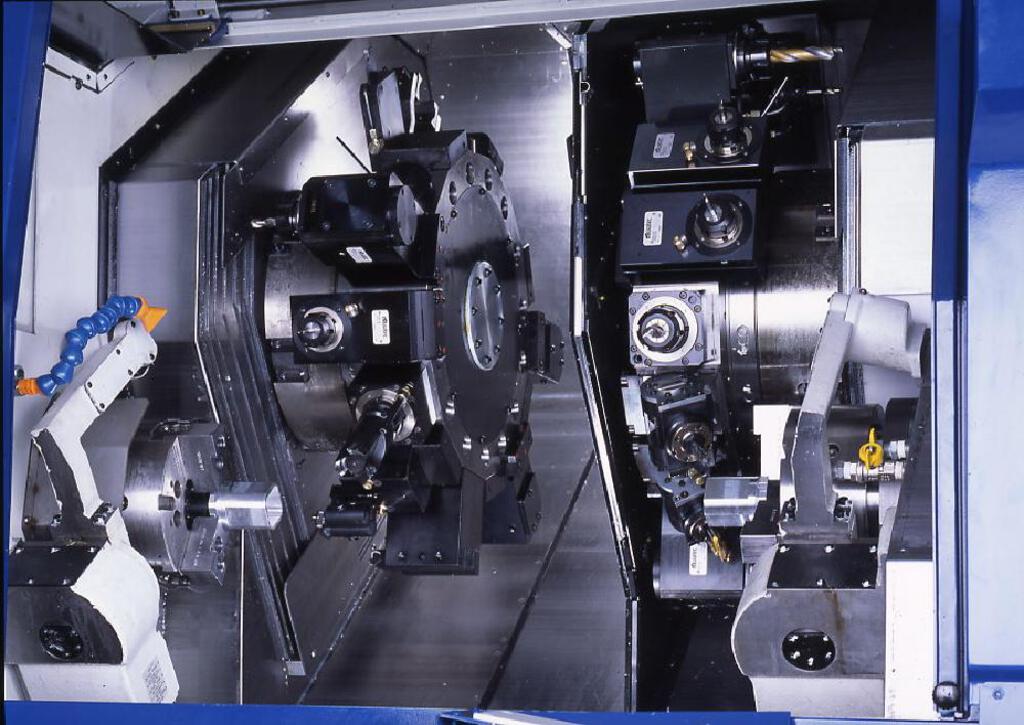
In CNC turning, cutting speed depends on the rotational speed of the workpiece and its diameter.
Cutting Speed Formula
In machining, cutting speed is calculated using the following formula:
V = (π × D × N) / 1000
Where:
- V = Cutting speed (m/min)
- D = Workpiece diameter (mm)
- N = Spindle speed (rpm)
Key Points
- Increasing spindle speed increases cutting speed
- Larger diameter results in higher cutting speed at the same rpm
- Proper calculation ensures stable machining
Related: Feed Rate in turning
Why Cutting Speed Is Important
Tool Life
- High cutting speed → faster tool wear
- Low cutting speed → longer tool life but reduced productivity
Surface Finish
- Optimal cutting speed improves surface quality
- Excessive speed may cause burning or rough surfaces
Machining Efficiency
- Proper speed reduces machining time
- Balancing speed and feed is critical
💡 Cutting speed must be optimized together with feed rate for best results.
Related: Machining / Turning
Factors Affecting Cutting Speed
Workpiece Material
- Steel → moderate speed
- Stainless steel → lower speed
- Aluminum → higher speed
Tool Material
- High-speed steel (HSS) → lower speed
- Carbide tools → higher speed
Cutting Conditions
- Dry machining vs. coolant use
- Roughing vs. finishing
💡These factors must be considered when selecting cutting speed.
Related: Coolant in Machining
Cutting Speed in CNC Turning
In CNC turning, cutting speed plays a critical role in:
- Maintaining dimensional accuracy
- Controlling temperature and heat
- Ensuring stable cutting conditions
Because turning is a continuous cutting process, improper speed settings can quickly lead to tool wear or chatter.
Related: Chatter in Machining
Common Problems Related to Cutting Speed
Excessive Cutting Speed
- Tool wear accelerates
- High temperature buildup
- Poor surface finish
Too Low Cutting Speed
- Inefficient machining
- Built-up edge formation
- Poor chip formation
💡 Balancing cutting speed is essential for stable machining.
Related: Chip Control in Machining
How to Optimize Cutting Speed
Start with Recommended Values
- Use tool manufacturer data
- Follow material-specific guidelines
Adjust Based on Machining Results
Observe:
- Chip color and shape
- Tool wear
- Surface finish
💡These indicators help fine-tune cutting speed.
Combine with Other Parameters
Cutting speed works together with:
- Feed rate
- Depth of cut
- Coolant usage
💡 Proper balance improves overall cutting performance.
Related: Stiffness
Practical Tips
- Avoid extreme cutting speeds
- Monitor tool condition regularly
- Use coolant to control heat
- Test and adjust gradually
💡Real-time adjustment improves machining stability.
Summary
Cutting speed is a fundamental parameter in machining that directly affects tool life, surface finish, and productivity.
By properly selecting and optimizing cutting speed, manufacturers can achieve:
- Improved machining efficiency
- Longer tool life
- Better surface quality
Understanding cutting speed is essential for successful CNC turning and machining operations.
Featured Articles
CONTACT
If you are considering automated production,
please contact Muratec.
If you have any questions, please contact us here