Internal Turning (Boring):
A Complete Guide to Tools,
Process, and Troubleshooting
in CNC Turning
Index[非表示]
- 1.What Is Internal Turning (Boring)?
- 2.How Internal Turning Works
- 3.Types of Internal Turning Operations
- 3.1.Rough Boring
- 3.2.Finish Boring
- 3.3.Step Boring
- 4.Boring Tools and Tooling
- 5.Challenges in Internal Turning
- 5.1.Low Rigidity
- 5.2.Chatter (Vibration)
- 5.3.Tool Deflection
- 5.4.Chip Evacuation
- 6.How to Improve Internal Turning
- 6.1.Increase Tool Rigidity
- 6.2.Optimize Cutting Conditions
- 6.3.Improve Chip Control
- 6.4.Use Proper Tool Geometry
- 7.Internal Turning in CNC Turning
- 8.Relationship with Machining Parameters
- 8.1.Cutting Speed
- 8.2.Feed Rate
- 8.3.Depth of Cut
- 9.Common Problems and Solutions
- 10.Practical Tips
- 11.Applications of Internal Turning
- 12.Summary
- 12.1.Featured Articles
Introduction
Internal turning, also known as boring, is a machining process used to enlarge and refine internal diameters with high precision.
In CNC turning operations, boring is essential for achieving accurate hole dimensions and surface finish. However, internal machining is more challenging than external turning due to limited space, reduced stiffness, and increased vibration risk.
Understanding internal turning is critical for:
- Improving hole accuracy
- Maintaining surface quality
- Preventing vibration and tool deflection
What Is Internal Turning (Boring)?
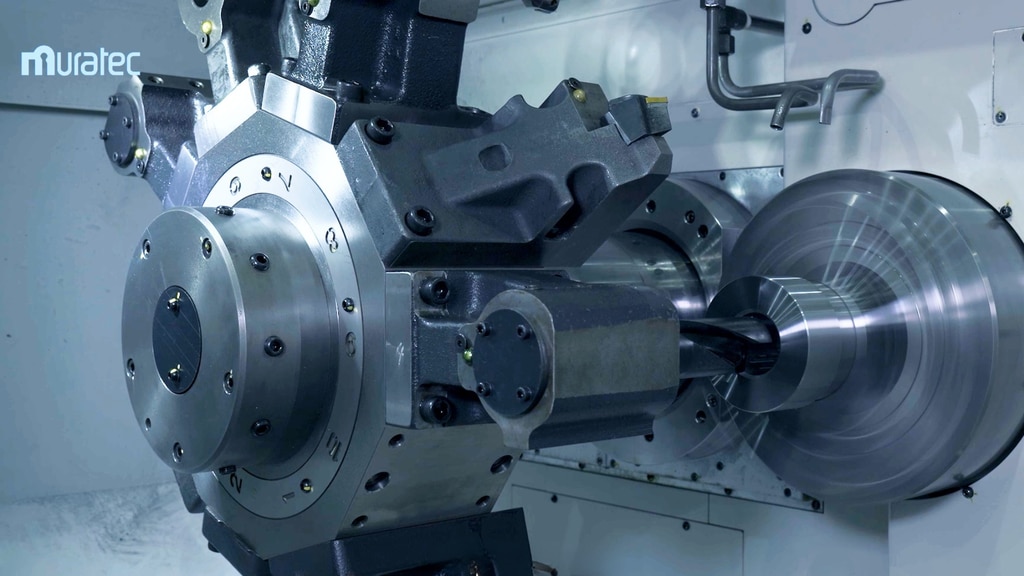
Internal turning (boring) is a machining process in which a single-point cutting tool removes material from the inside of a pre-drilled hole.
It is used to:
- Increase hole diameter
- Improve roundness and accuracy
- Achieve tighter tolerances
💡Boring is commonly used after drilling to refine internal features.
Related :Drill Runout
How Internal Turning Works
In internal turning:
- The workpiece rotates in the spindle
- A boring tool enters the hole
- The cutting tool removes material along the internal surface
Key Characteristics
- Limited cutting space
- Long tool overhang
- High sensitivity to vibration
💡 These factors make internal turning more difficult than external turning.
Types of Internal Turning Operations
Rough Boring
- Removes a large amount of material
- Uses higher feed and depth of cut
Finish Boring
- Produces high accuracy and surface quality
- Uses low feed and small depth of cut
Step Boring
- Machines different internal diameters
- Used for complex hole geometries
💡 Proper operation selection depends on precision requirements.
Boring Tools and Tooling
Boring Bars
- Main tool used for internal turning
- Available in different diameters and lengths
Solid vs. Modular Boring Bars
- Solid → higher rigidity
- Modular → flexible and interchangeable
Tool Material
- Carbide tools for high rigidity
- HSS tools for general-purpose machining
💡 Tool rigidity is critical in boring operations.
Related :Stiffness
Challenges in Internal Turning
Low Rigidity
- Long boring bars reduce stiffness
- Leads to vibration and deflection
Chatter (Vibration)
- Common issue due to tool flexibility
- Causes poor surface finish
Tool Deflection
- Tool bends under cutting force
- Results in dimensional errors
Chip Evacuation
- Chips accumulate inside the hole
- Leads to heat and instability
💡 These challenges require careful control.
Related :Chatter in Machining
How to Improve Internal Turning
Increase Tool Rigidity
- Use shorter boring bars
- Select larger diameter tools when possible
Optimize Cutting Conditions
- Reduce cutting speed if vibration occurs
- Adjust feed rate carefully
Improve Chip Control
- Use chip breaker inserts
- Apply coolant effectively
Use Proper Tool Geometry
- Select tools designed for internal machining
- Use vibration-damping boring bars if needed
💡 Stability is the key to successful boring.
Related :Coolant in Machining / Chip Control
Internal Turning in CNC Turning
In CNC turning, boring is used to:
- Machine precision holes
- Control internal dimensions
- Achieve tight tolerances
💡 CNC systems allow precise control of tool movement and cutting parameters.
Relationship with Machining Parameters
Cutting Speed
- High speed can increase vibration
- Must be optimized carefully
Feed Rate
- Affect chip thickness and stability
Depth of Cut
- Large depths increase cutting force
- Can cause tool deflection
💡 Balanced parameters are essential for accuracy.
Related :Cutting Speed / Feed Rate in Turning
Common Problems and Solutions
Chatter Marks on Surface
Causes:
- Low stiffness
- Improper cutting conditions
Solutions:
- Reduce tool overhang
- Adjust speed and feed
Oversized Hole
Causes:
- Tool deflection
- Runout
Solutions:
- Improve tool rigidity
- Check alignment
Poor Surface Finish
Causes:
- Vibration
- Worn tool
Solutions:
- Use finishing parameters
- Replace tool
Practical Tips
- Use the shortest possible boring bar
- Monitor vibration and cutting sound
- Ensure proper coolant flow
- Perform test cuts before final machining
💡 Careful setup greatly improves results.
Applications of Internal Turning
- Bearing bores
- Cylinder components
- Precision holes
- Automotive and aerospace parts
💡 High accuracy is essential in these applications.
Summary
Internal turning (boring) is a critical machining process for producing accurate internal dimensions and high-quality surfaces.
By optimizing tool rigidity, cutting conditions, and chip control, manufacturers can achieve:
- High precision
- Reduced vibration
- Improved surface finish
Mastering internal turning is essential for successful CNC turning and precision manufacturing.
Featured Articles
CONTACT
If you are considering automated production,
please contact Muratec.
If you have any questions, please contact us here