What Is a Bar Feeder?
A Complete Guide to
Automation in CNC Turning
Index[非表示]
- 1.What Is a Bar Feeder?
- 1.1.Key Function
- 2.How a Bar Feeder Works
- 3.Types of Bar Feeders
- 4.Benefits of Using a Bar Feeder
- 4.1.Increased Productivity
- 4.2.Automation
- 4.3.Consistent Quality
- 4.4.Cost Reduction
- 5.Bar Feeder in CNC Turning
- 6.Relationship with Bar Machines
- 7.Factors to Consider When Selecting a Bar Feeder
- 8.Common Challenges
- 8.1.Bar Vibration
- 8.2.Feeding Errors
- 8.3.Maintenance Issues
- 9.How to Improve Bar Feeder Performance
- 10.Relationship with Machining Conditions
- 10.1.Stability
- 10.2.Accuracy
- 10.3.Chip Control
- 11.Applications of Bar Feeders
- 12.Summary
- 12.1.Featured Articles
Introduction
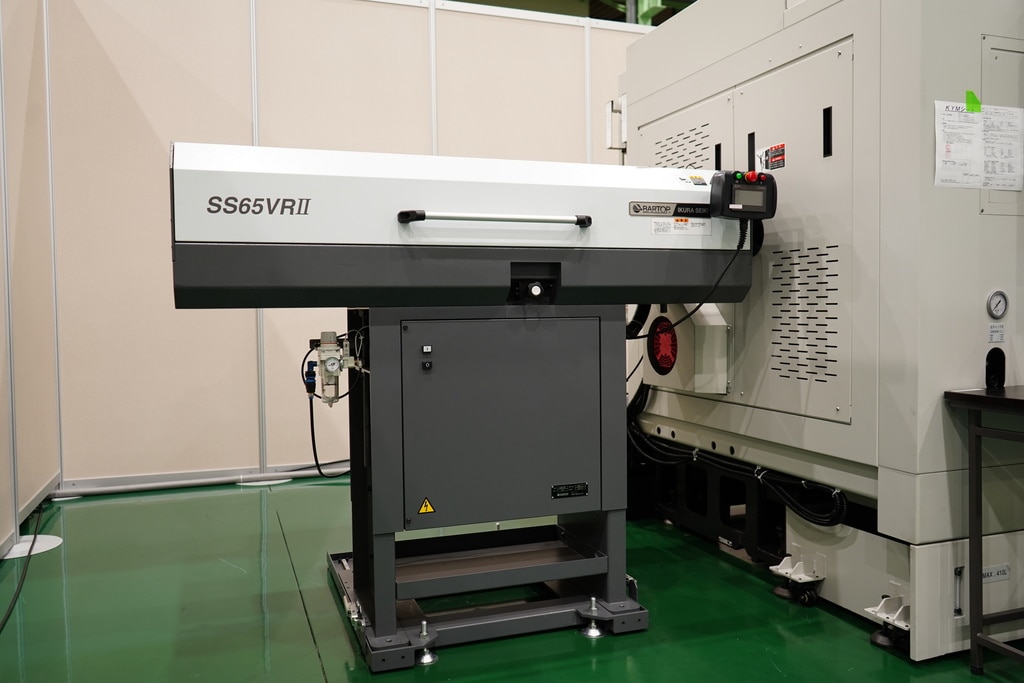
A bar feeder is an essential automation device used in CNC turning to supply bar stock automatically into the machine.
In modern manufacturing, especially in high-volume production, bar feeders enable continuous operation without manual intervention. This significantly improves productivity, reduces labor costs, and ensures consistent machining quality.
Understanding bar feeders is important for:
- Increasing production efficiency
- Enabling unattended machining
- Improving process consistency
What Is a Bar Feeder?
A bar feeder is an automated system that feeds bar stock into a CNC turning machine or lathe.
It works by pushing or guiding the material into the spindle as machining progresses, ensuring a continuous supply of material for multiple parts.
Key Function
- Automatically supply raw material
- Synchronize with machine operation
- Maintain stable feeding
💡Bar feeders are a key component of automated CNC turning systems.
Related :Turning Center
How a Bar Feeder Works
- Bar stock is loaded into the feeder
- The feeder pushes the bar into the machine spindle
- The machine performs machining operations
- After cutting, the feeder advances the material for the next part
💡 This process repeats automatically, enabling continuous production.
Types of Bar Feeders
Short Bar Feeders
- Designed for shorter bar stock
- Compact and cost-effective
Long Bar Feeders
- Supports full-length bars
- Ideal for high-volume production
Magazine Bar Feeders
- Holds multiple bars
- Automatically switches to the next bar
💡 Selection depends on production requirements and machine setup.
Benefits of Using a Bar Feeder
Increased Productivity
- Continuous machining
- Reduced idle time
Automation
- Enables unattended operation
- Reduces operator workload
Consistent Quality
- Stable feeding improves machining accuracy
- Reduces variation
Cost Reduction
- Lower labor costs
- Improved production efficiency
💡 Bar feeders are essential for modern automated machining.
Related :Bar Machine
Bar Feeder in CNC Turning
In CNC turning, bar feeders are widely used for:
- Mass production of small parts
- Continuous machining operations
- High-efficiency manufacturing
💡 They are often paired with turning centers and bar machines.
Relationship with Bar Machines
Bar feeders are a core component of bar machining systems.
- Bar machine → complete machining system
- Bar feeder → material supply module
💡 Together, they enable full automation of production.
Related :G-Code
Factors to Consider When Selecting a Bar Feeder
Bar Diameter and Length
- Must match machine specifications
Production Volume
- High volume → long or magazine feeders
- Low volume → short feeders
Machine Compatibility
- Must integrate with CNC turning machine
Material Type
- Different materials require different feeding stability
💡 Choosing the right feeder improves efficiency and reliability.
Common Challenges
Bar Vibration
- Can cause noise and instability
- Occurs at high spindle speeds
Feeding Errors
- Misalignment or improper setup
Maintenance Issues
- Wear of guide channels and components
💡 Proper setup and maintenance are essential.
Related :Stiffness
How to Improve Bar Feeder Performance
- Ensure proper alignment
- Use appropriate guide channels
- Maintain consistent lubrication
- Inspect components regularly
💡 Proper operation ensures stable machining.
Relationship with Machining Conditions
Bar feeders influence:
Stability
- Smooth feeding reduces vibration
Accuracy
- Proper alignment improves precision
Chip Control
- Continuous production requires stable chip evacuation
💡 Feeding stability supports overall machining performance.
Related :Chip Control / Feed Rate in Turning
Applications of Bar Feeders
- Automotive components
- Precision small parts
- Electronics components
- Medical devices
💡 Ideal for high-volume and repetitive production.
Summary
A bar feeder is an essential automation device in CNC turning that enables continuous material supply and efficient production.
By integrating bar feeders into machining systems, manufacturers can achieve:
- Increased productivity
- Consistent quality
- Reduced labor
- Improved automation
Bar feeders play a key role in modern high-efficiency manufacturing environments.
Featured Articles
CONTACT
If you are considering automated production,
please contact Muratec.
If you have any questions, please contact us here