What Is a Bar Machine?
A Complete Guide to
Bar Machining, Types,
and Automation
Index[非表示]
- 1.What Is a Bar Machine?
- 2.What Is Bar Machining?
- 3.Types of Bar Machines
- 3.1.CNC Turning-Based Bar Machines
- 3.2.Swiss-Type (Sliding Head) Machines
- 3.3.Multi-Spindle Bar Machines
- 3.4.Automatic Lathes
- 4.Key Features of Bar Machines
- 4.1.Automatic Material Feeding
- 4.2.High Productivity
- 4.3.Precision and Repeatability
- 4.4.Integration with CNC Systems
- 5.Role of Bar Feeders
- 6.Advantages of Bar Machines
- 7.Applications of Bar Machines
- 8.Relationship with CNC Turning
- 9.Common Challenges and Considerations
- 9.1.Material Handling
- 9.2.Machine Setup
- 9.3.Chip Control
- 9.4.Maintenance
- 10.Best Practices
- 11.Summary
- 11.1.Featured Articles
Introduction
A bar machine is a type of machining system designed for processing bar stock with high efficiency and precision.
In modern manufacturing, especially in CNC turning environments, bar machines play a critical role in automated mass production. By continuously feeding and machining bar material, they enable long, unattended operation and stable production output.
Understanding bar machines is essential for:
- Improving production efficiency
- Reducing labor costs
- Achieving consistent machining quality
What Is a Bar Machine?
A bar machine is a machining system, typically based on CNC turning, that processes long bar stock automatically.
It is commonly integrated with:
- CNC turning machines or turning centers
- Bar feeders
- Automated control systems
The machine feeds bar material into the spindle and machines parts continuously without manual intervention.
Related :Turning Center / NC Turning Machine
What Is Bar Machining?
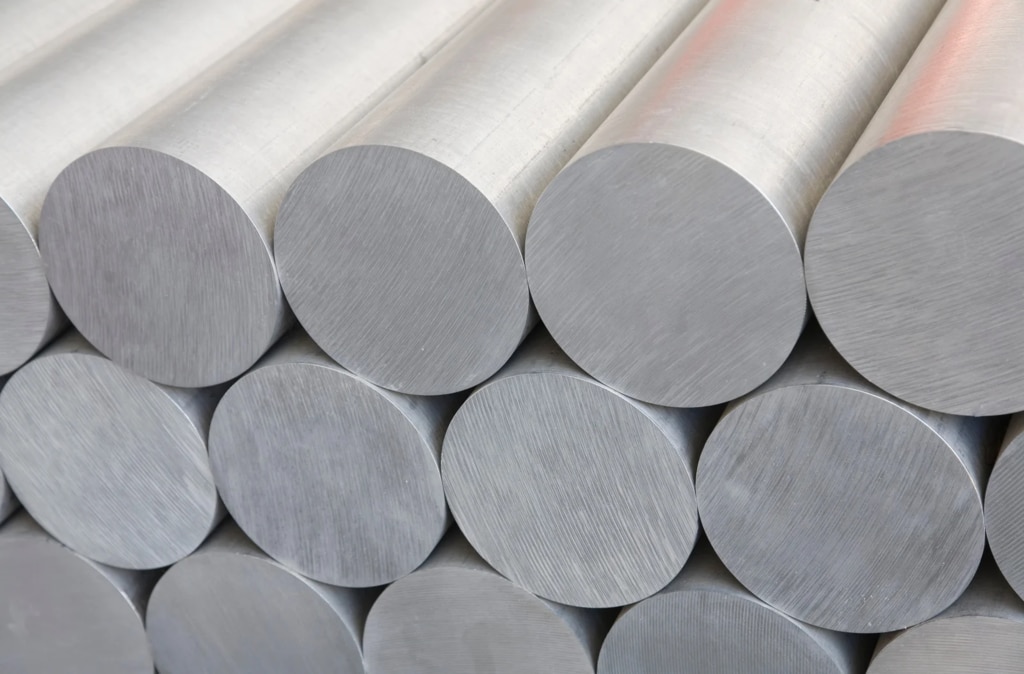
Bar machining refers to the process of machining parts directly from bar stock.
Key Characteristics
- Continuous material feeding
- High productivity
- Suitable for mass production
Typical Workflow
- Bar stock is loaded into a bar feeder
- Material is fed into the machine
- Machining operations are performed
- Finished parts are cut off
💡 This cycle repeats automatically for efficient production.
Related :Bar Feeder
Types of Bar Machines
CNC Turning-Based Bar Machines
- Most common type
- Suitable for general machining
Swiss-Type (Sliding Head) Machines
- High precision for small parts
- Ideal for long, slender components
Multi-Spindle Bar Machines
- Multiple tools operate simultaneously
- Extremely high productivity
Automatic Lathes
- Designed specifically for bar machining
- Fully automated operation
💡 Selection depends on part complexity and production volume.
Related :Turning
Key Features of Bar Machines
Automatic Material Feeding
- Enables continuous operation
- Reduces manual handling
High Productivity
- Suitable for large production runs
- Minimizes downtime
Precision and Repeatability
- Consistent part quality
- Reduced variation
Integration with CNC Systems
- Advanced programming control
- Flexible machining operations
💡 These features make bar machines essential for modern production.
Related :G-Code
Role of Bar Feeders
Bar feeders are a critical component of bar machines.
They:
- Supply bar stock automatically
- Synchronize with machine operations
- Enable unattended machining
💡 Without a bar feeder, bar machining efficiency is significantly reduced.
Advantages of Bar Machines
Increased Efficiency
- Continuous production
- Reduced idle time
Labor Savings
- Minimal operator involvement
- Supports unattended operation
Consistent Quality
- Stable machining conditions
- Reduced human error
Cost Reduction
- Lower labor costs
- Improved production output
Applications of Bar Machines
Bar machines are widely used in:
- Automotive parts production
- Medical device manufacturing
- Electronics components
- Precision mechanical parts
They are ideal for:
- Small and medium-sized parts
- High-volume production
- Repetitive machining operations
Relationship with CNC Turning
Bar machines are closely related to CNC turning.
They:
- Use turning as the primary process
- Add automation and continuous feeding
💡 Bar machines can be considered an advanced form of CNC turning for mass production.
Related :Feed Rate in Turning / Cutting Speed
Common Challenges and Considerations
Material Handling
- Bar alignment and feeding must be precise
Machine Setup
- Proper setup is essential for stable operation
Chip Control
- Continuous cutting generates large volumes of chips
Maintenance
- Requires regular inspection of feeders and components
💡 Proper management ensures long-term performance.
Related :Chip Control / Coolant in Machining
Best Practices
- Select the right machine type for your application
- Optimize cutting parameters
- Maintain bar feeder systems
- Monitor chip evacuation and coolant use
💡 Efficient operation leads to higher productivity and stability.
Summary
A bar machine is a highly efficient machining system designed for automated processing of bar stock in CNC turning environments.
By integrating automation and continuous material feeding, bar machines enable:
- High productivity
- Consistent quality
- Reduced labor costs
They are a key component of modern manufacturing systems focused on efficiency and scalability.
Featured Articles
CONTACT
If you are considering automated production,
please contact Muratec.
If you have any questions, please contact us here