What Is an NC Turning Machine?
A Complete Guide to
Basics, Types, Selection Criteria,
and Applications
Index[非表示]
- 1.What Is an NC Turning Machine?
- 2.How an NC Turning Machine Works
- 3.Main Components of an NC Turning Machine
- 3.1.Spindle
- 3.2.Tool Holder and Turret
- 3.3.Control Unit
- 3.4.Chuck and Workholding
- 4.Types of NC Turning Machines
- 4.1.Horizontal NC Turning Machines
- 4.2.Vertical NC Turning Machines
- 4.3.Multi-Turret Machines
- 4.4.Swiss-Type (Sliding Head) Machines
- 5.Key Machining Parameters
- 5.1.Cutting Speed
- 5.2.Feed Rate
- 5.3.Depth of Cut
- 6.How to Select an NC Turning Machine
- 7.Advantages of NC Turning Machines
- 8.Common Applications
- 9.Common Issues and Considerations
- 9.1.Tool Wear
- 9.2.Chatter (Vibration)
- 9.3.Chip Control
- 10.Summary
- 10.1.Featured Articles
What Is an NC Turning Machine?
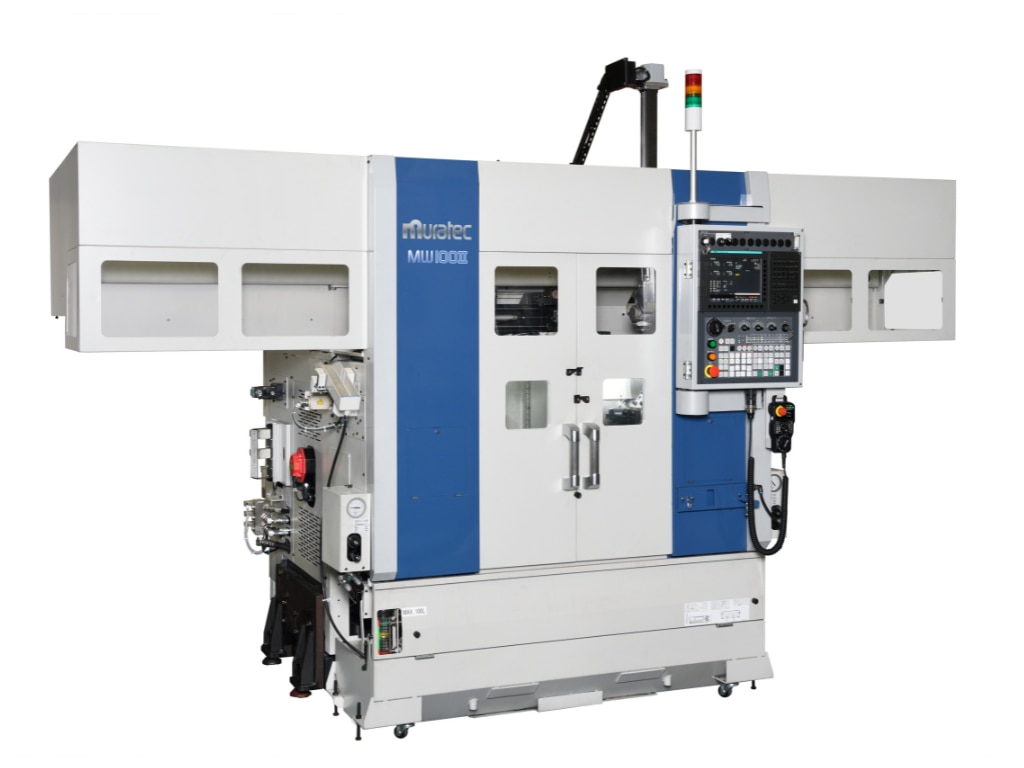
An NC turning machine (Numerical Control turning machine) is a type of machining equipment that uses programmed numerical data to control the movement of tools during turning operations.
It is the foundation of modern CNC turning systems and allows precise machining of cylindrical parts with minimal manual intervention.
NC turning machines are commonly used for:
- Shaft machining
- Precision components
- Mass production parts
They enable consistent quality, improved efficiency, and repeatable machining processes.
How an NC Turning Machine Works
An NC turning machine operates by following a predefined numerical program.
Basic Operation
- The workpiece is clamped in a chuck
- The spindle rotates the workpiece
- A cutting tool moves according to programmed coordinates
This allows material to be removed in a controlled and highly accurate manner.
NC vs. CNC Turning
NC (Numerical Control)
- Basic program control
- Limited flexibility
CNC (Computer Numerical Control)
- Advanced automation
- Stored programs and high flexibility
💡 Modern CNC turning machines evolved from NC technology and are widely used today.
Main Components of an NC Turning Machine
Spindle
- Rotates the workpiece
- Determines cutting speed
Tool Holder and Turret
- Holds cutting tools
- Allows tool changes for different operations
Control Unit
- Interprets numerical commands
- Controls tool movement
Chuck and Workholding
- Secures the workpiece
- Ensures stable machining
Types of NC Turning Machines
Horizontal NC Turning Machines
- Most common configuration
- Suitable for general machining
Vertical NC Turning Machines
- Workpiece mounted vertically
- Ideal for large and heavy parts
Multi-Turret Machines
- Multiple tools operate simultaneously
- Higher productivity
Swiss-Type (Sliding Head) Machines
- Used for small, precise parts
- Common in medical and electronics industries
Key Machining Parameters
Cutting Speed
- Controls how fast the workpiece rotates
- Affects tool wear and heat
Feed Rate
- Determines tool movement speed
- Impacts surface finish and productivity
Depth of Cut
- Controls material removal per pass
- Affects cutting force and efficiency
💡 These parameters must be optimized together for stable machining.
Related: Cutting Speed / Feed Rate
How to Select an NC Turning Machine
Workpiece Size and Shape
- Diameter and length of the material
- Complexity of geometry
Production Volume
- Low volume → flexible machines
- High volume → automated systems
Required Accuracy
- Tolerance requirements
- Surface finish quality
Automation Needs
- Bar feeders for continuous machining
- Integration with CNC systems
💡 Selecting the right machine improves both productivity and quality.
Related: Bar Feeder / Bar Machine
Advantages of NC Turning Machines
- High repeatability
- Reduced operator dependency
- Consistent machining quality
- Improved production efficiency
Common Applications
NC turning machines are used in:
- Automotive components
- Aerospace parts
- Medical devices
- Industrial machinery
Common Issues and Considerations
Tool Wear
- Caused by heat and friction
- Requires proper cutting conditions
Chatter (Vibration)
- Reduces surface quality
- Affected by rigidity and parameters
Chip Control
- Poor chip evacuation leads to defects
- Requires proper tooling and coolant
Related: Chip Control / Coolant in Machining
Summary
An NC turning machine is a fundamental tool in machining that enables precise and efficient turning operations.
By optimizing:
- Cutting parameters
- Tool selection
- Machine configuration
manufacturers can achieve:
- High precision
- Stable production
- Improved productivity
Featured Articles
CONTACT
If you are considering automated production,
please contact Muratec.
If you have any questions, please contact us here