What Is a Turning Center?
A Complete Guide to Capabilities,
Benefits, and Applications
Index[非表示]
- 1.Introduction
- 2.What Is a Turning Center?
- 3.How a Turning Center Works
- 4.Key Features of a Turning Center
- 5.Turning Center vs. CNC Lathe
- 5.1.CNC Lathe
- 5.2.Turning Center
- 6.Benefits of Using a Turning Center
- 7.Applications of Turning Centers
- 8.Relationship with CNC Turning
- 9.Common Challenges and Considerations
- 10.Best Practices
- 11.Summary
- 11.1.Featured Articles
Introduction
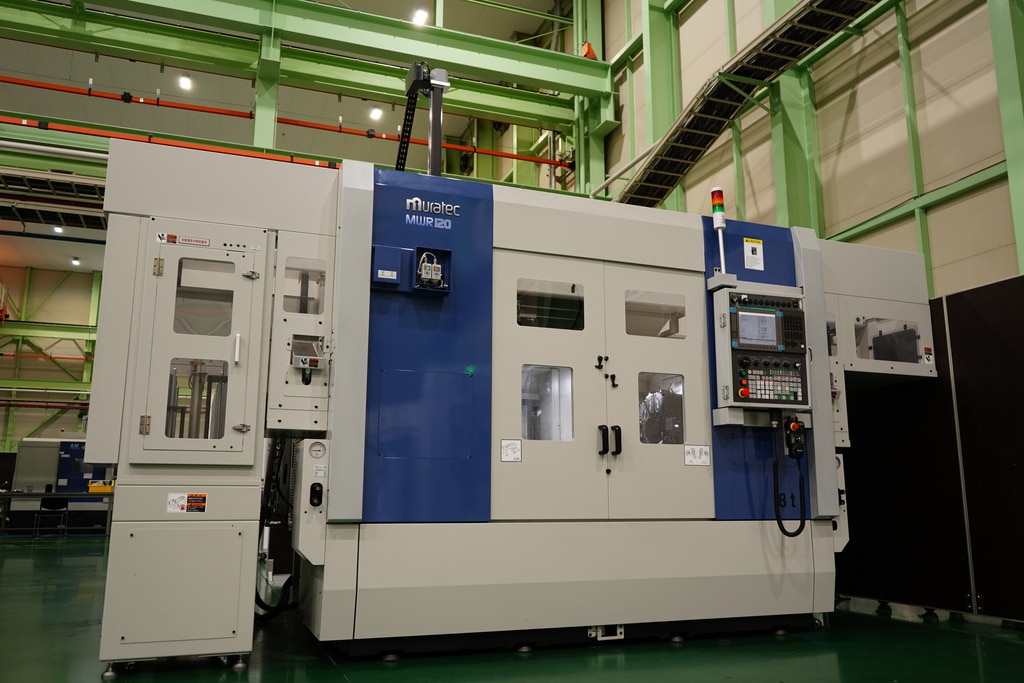
A turning center is an advanced type of CNC turning machine designed to perform multiple machining operations in a single setup.
Compared to conventional lathes or basic CNC turning machines, turning centers offer enhanced automation, multi-axis capabilities, and higher productivity.
They are widely used in modern manufacturing for producing complex and high-precision components efficiently.
What Is a Turning Center?
A turning center is a CNC turning machine equipped with additional features such as tool changers, live tooling, and advanced control systems.
It can perform not only turning operations but also:
- Milling
- Drilling
- Tapping
in one setup.
💡 This makes turning centers a key machine in modern CNC turning processes.
How a Turning Center Works
Basic Operation
- The workpiece rotates on the spindle
- Cutting tools move along programmed paths
- Additional tools perform secondary operations
Multi-Axis Functionality
Turning centers often include:
- 2-axis (X, Z) → standard turning
- Y-axis → off-center operations
- C-axis → spindle indexing and milling
💡 These capabilities allow complex geometries without repositioning the part.
Key Features of a Turning Center
Live Tooling
- Enables milling and drilling
- Reduces need for separate machines
Automatic Tool Changer
- Switches tools during machining
- Improves productivity
Multi-Tasking Capability
- Combines turning and secondary machining
- Minimizes setup time
Advanced CNC Control
- High precision control
- Flexible machining programs
Turning Center vs. CNC Lathe
CNC Lathe
- Primarily performs turning
- Simpler operations
Turning Center
- Multi-function machine
- Higher automation and flexibility
💡A turning center is essentially an evolution of the CNC lathe.
Related: NC Turning Machine / Turning
Benefits of Using a Turning Center
Increased Productivity
- Reduced setup time
- Continuous machining
Improved Accuracy
- Fewer setups = less positioning error
Higher Efficiency
- Multiple operations in one machine
Reduced Labor
- Supports automation and unattended operation
💡Often used with bar feeders for continuous production
Related: Bar Feeder / Bar Machine
Applications of Turning Centers
Turning centers are widely used in:
- Automotive manufacturing
- Aerospace components
- Medical devices
- Precision mechanical parts
They are especially effective for:
- Complex shapes
- High-volume production
- Parts requiring multiple machining steps
Relationship with CNC Turning
Turning centers play a central role in CNC turning.
They allow:
- Advanced machining operations
- Integration of multiple processes
- Improved consistency
💡They are essential for modern high-performance machining environments.
Common Challenges and Considerations
Programming Complexity
- Requires advanced CNC programming skills
Initial Investment
- Higher cost than basic machines
Maintenance
- More components → more maintenance needed
Related: Coolant in Machining / Chatter in Machining
Best Practices
- Optimize machining programs
- Use proper cutting parameters
- Integrate coolant systems effectively
- Monitor tool wear and machine condition
💡 Proper operation maximizes performance and lifespan.
Summary
A turning center is a versatile and advanced machining system that combines turning with multiple machining operations.
By using turning centers, manufacturers can achieve:
- Higher productivity
- Improved accuracy
- Reduced setup time
- Greater automation
They are a key component of modern CNC turning and manufacturing systems.
Featured Articles
CONTACT
If you are considering automated production,
please contact Muratec.
If you have any questions, please contact us here