What Is Metal Processing?
A Complete Guide to
Materials, Methods,
and Manufacturing Basics
Index[非表示]
- 1.What Is Metal Processing?
- 2.Types of Metal Processing Methods
- 3.Materials Used in Metal Processing
- 3.1.Steel
- 3.2.Aluminum
- 3.3.Stainless Steel
- 3.4.Brass and Copper
- 4.Metal Processing in CNC Turning
- 5.Key Factors in Metal Processing
- 6.Advantages of Metal Processing
- 6.1.Precision
- 6.2.Versatility
- 6.3.Scalability
- 6.4.Efficiency
- 7.Common Challenges in Metal Processing
- 7.1.Tool Wear
- 7.2.Heat Generation
- 7.3.Chip Control
- 7.4.Vibration (Chatter)
- 8.Applications of Metal Processing
- 9.Relationship with Other Manufacturing Processes
- 10.Best Practices
- 11.Summary
- 11.1.Featured Articles
Introduction
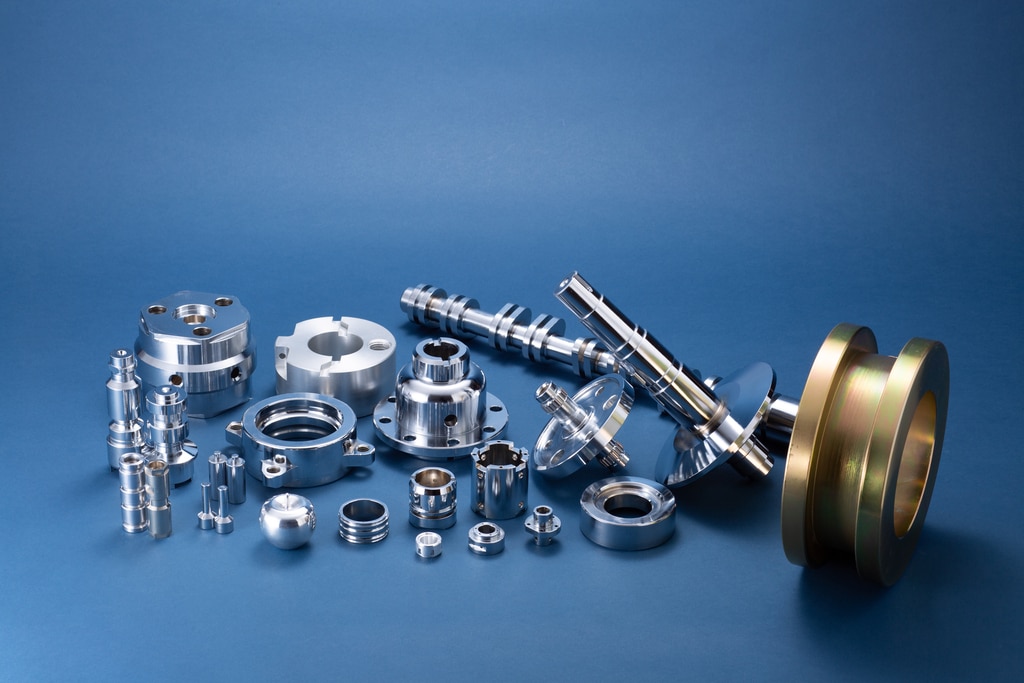
Metal processing is a fundamental part of manufacturing that involves transforming raw metal materials into usable components and products.
From large industrial machines to precision parts used in CNC turning, metal processing plays a crucial role in modern industries such as automotive, aerospace, and medical manufacturing.
Understanding metal processing is essential for:
- Learning manufacturing fundamentals
- Improving machining efficiency
- Achieving high-quality production
What Is Metal Processing?
Metal processing refers to a range of techniques used to shape, cut, and form metal materials into desired products.
It includes both:
- Material removal processes (machining)
- Material forming processes (casting, forging, forming)
The goal of metal processing is to produce components with the required:
- Shape
- Size
- Mechanical properties
Related :Machining
Types of Metal Processing Methods
Machining
- Material is removed using cutting tools
- Includes turning, milling, drilling
💡Widely used in CNC turning and precision manufacturing
Casting
- Molten metal is poured into molds
- Suitable for complex and large shapes
Forging
- Metal is shaped using compressive force
- Produces strong and durable parts
Forming
- Includes bending, rolling, and stamping
- Used for sheet metal and structural components
💡These methods are often combined in manufacturing processes.
Related :Turning / Internal Turning (Boring)
Materials Used in Metal Processing
Steel
- Strong and durable
- Widely used in industrial applications
Aluminum
- Lightweight and corrosion-resistant
- Suitable for high-speed machining
Stainless Steel
- Corrosion-resistant
- Common in medical and food industries
Brass and Copper
- Good conductivity
- Used in electrical components
💡Material selection affects machining conditions and performance.
Related :Cutting Speed
Metal Processing in CNC Turning
CNC turning is one of the most common metal processing methods.
It is used to:
- Produce cylindrical parts
- Achieve high precision
- Enable mass production
Key advantages include:
- Automation
- Repeatability
- High accuracy
Related :Turning Center / NC Turning Machine
Key Factors in Metal Processing
Cutting Parameters
- Cutting speed
- Feed rate
- Depth of cut
💡These directly affect machining performance
Tool Selection
- Tool material and geometry
- Influences surface finish and tool life
Coolant and Lubrication
- Reduces heat and friction
- Improves cutting stability
💡 Proper control of these factors ensures efficient processing.
Related :Feed Rate in Turning / Coolant in Machining
Advantages of Metal Processing
Precision
- Produces accurate components
- Suitable for tight tolerances
Versatility
- Works with various materials and shapes
Scalability
- Suitable for both small and large production
Efficiency
- Modern CNC systems enable automated production
Common Challenges in Metal Processing
Tool Wear
- Reduces accuracy and efficiency
Heat Generation
- Causes deformation and tool damage
Chip Control
- Affects machining stability
Vibration (Chatter)
- Impacts surface quality
💡 These challenges must be managed for optimal results.
Related :Chip Control / Chatter in Machining
Applications of Metal Processing
Metal processing is used in:
- Automotive components
- Aerospace parts
- Industrial machinery
- Medical devices
💡 It is essential for producing modern mechanical systems.
Relationship with Other Manufacturing Processes
Metal processing connects with:
- CNC turning and machining
- Automation systems
- Quality control and tolerances
💡 It forms the foundation of all manufacturing activities.
Best Practices
- Select appropriate processing method
- Optimize cutting parameters
- Use proper tooling and coolant
- Maintain machines regularly
💡 Continuous improvement enhances performance and quality.
Summary
Metal processing is the foundation of modern manufacturing, enabling the production of precise and functional components from raw materials.
By understanding different methods, materials, and machining conditions, manufacturers can achieve:
- High-quality production
- Improved efficiency
- Consistent performance
Metal processing plays a central role in CNC turning and industrial manufacturing.
Featured Articles
CONTACT
If you are considering automated production,
please contact Muratec.
If you have any questions, please contact us here